Newborn clothes are dangerously easy to overbuy.
Everything looks small, cute and affordable one piece at a time. Then the baby arrives, you keep reaching for the same easy rompers, and a pile of special outfits stays folded until it no longer fits.
The real question is not “How many baby clothes should I buy?” It is “How many clothes will survive our laundry cycle, daily messes and fast size changes without leaving a drawer full of unused pieces?”
If you are building a newborn clothing checklist, start with a small working wardrobe and expand after you see what you actually use. Browse Baby Clothing for everyday basics.
The first clothing problem: buying for photos instead of repeated changes
During the first weeks, convenience matters. Milk drips, spit-up and diaper leaks mean clothing changes happen more often than many new parents expect.
Start with several bodysuits or rompers, a few sleepwear options, socks, weather-appropriate layers and one or two going-out outfits. Everyday clothes usually earn their space faster than complicated designs.
The second problem: putting the whole budget into newborn size
Babies grow at different rates and brand sizing varies. A drawer full of one size feels prepared until the fit changes suddenly.
Keep a practical amount in the current size and a few pieces in the next size. That gives you room to adjust without wasting clothes.
The third problem: not accounting for laundry
The number of clothes you need depends heavily on how often you wash. If laundry happens frequently, you need fewer pieces. If washing is less frequent, a larger rotation prevents running out after several messy changes.
Think in days between laundry, not in a universal number from somebody else's checklist.
The fourth problem: buying the wrong type of clothing for the weather
Pakistan's weather changes what becomes practical. During warmer months, lightweight everyday clothing often gets more use. Browse Summer Outfit for seasonal options.
In cooler conditions, layering gives parents more flexibility than buying only heavy one-piece outfits.
The fifth problem: clothes that look good but are annoying to change
When a baby needs several changes, difficult buttons and complicated layers become frustrating. Check how the garment opens, how easily it can be washed and whether it allows comfortable movement.
Are newborn starter sets worth it?
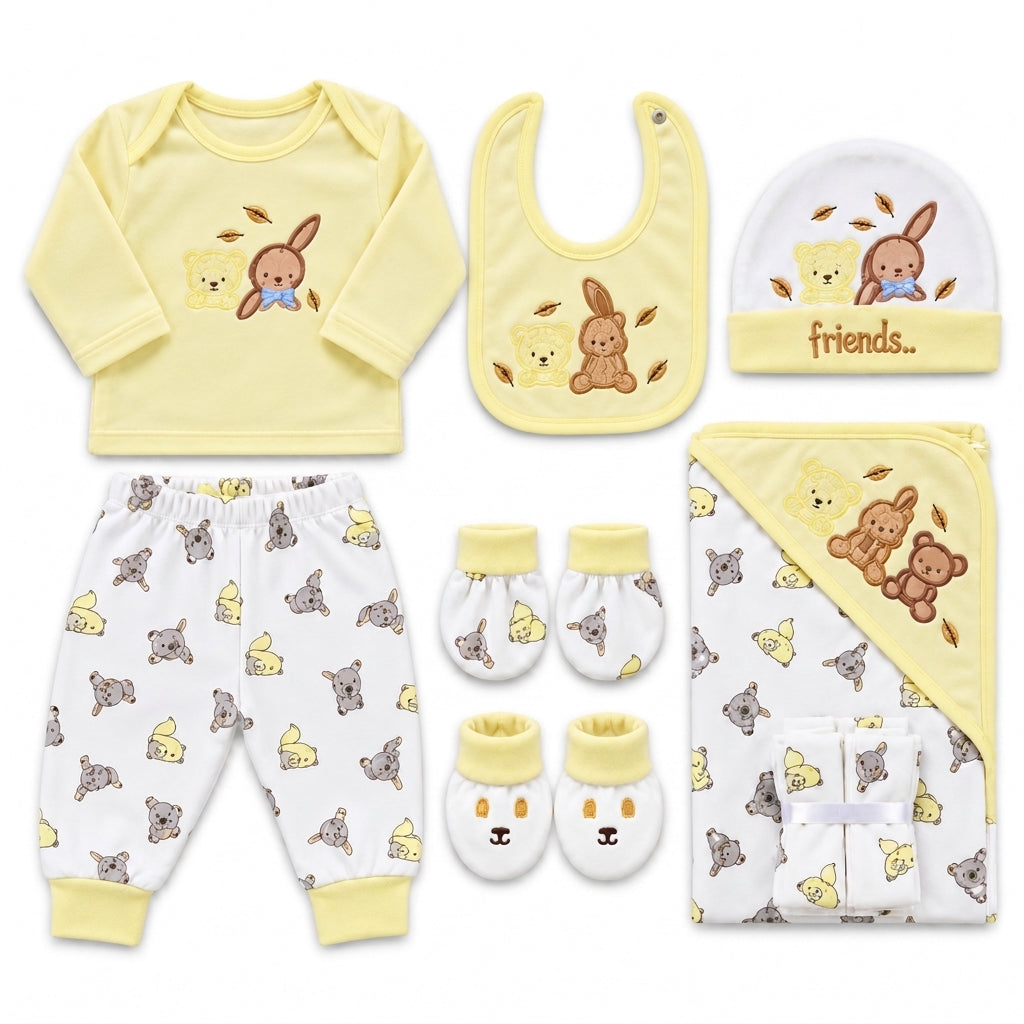
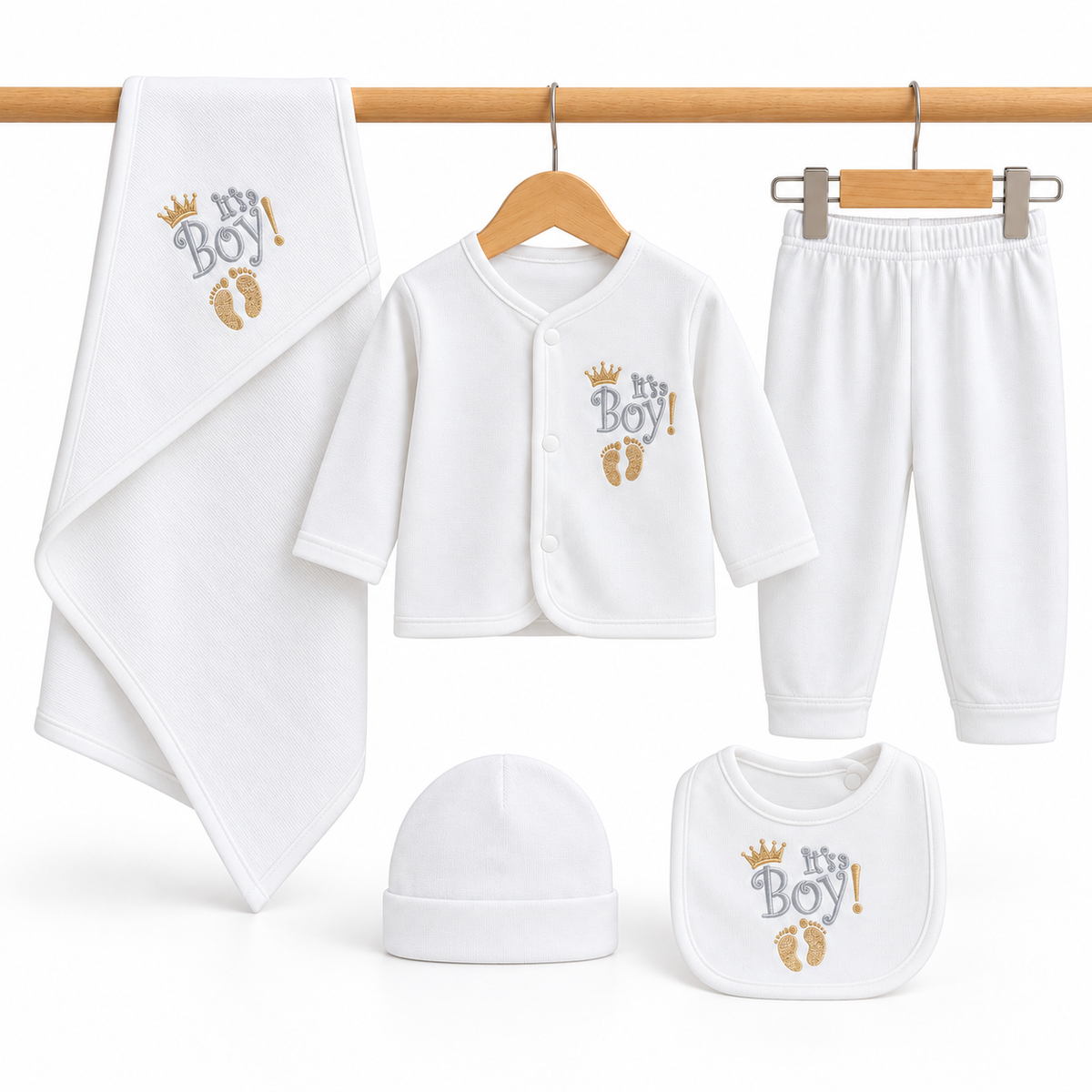
Starter sets reduce decision-making when you still need several basics. The important part is checking exactly what comes inside and whether the sizes suit your list.
Browse Newborn Starter Sets for coordinated options.
What about socks and small accessories?
Socks take little space, are easy to keep in the diaper bag and often disappear into laundry faster than expected. Keep several pairs rather than one or two. See Baby Socks.
A practical newborn clothing checklist
- Several easy-change bodysuits or rompers
- A few sleepwear options
- Weather-appropriate layers
- Several pairs of socks
- A cap when suitable for the weather
- One or two going-out outfits
- A few pieces in the next size
How to organise the wardrobe so you notice size changes early
Keep the current size in the easiest-to-reach drawer. Store the next size separately but nearby. When current clothes start feeling tight, you will already know what is available instead of buying in a rush.
Frequently asked questions
Should I buy only newborn size before delivery?
No. Keeping a few pieces in the next size gives you more flexibility if your baby grows quickly or sizing runs small.
Which newborn clothes are used most often?
Easy-change bodysuits, rompers, sleepwear and comfortable basics usually form the core wardrobe.
Where can I shop newborn clothes online in Pakistan?
Babies n Baba's Baby Clothing and Newborn Essentials collections make it easier to compare everyday clothing and early-stage products.
The useful rule: buy enough clothes to handle real messes and laundry, not enough to fill every drawer before you know the baby's size.