This newborn winter romper quantity guide uses your household's routine to estimate clothing backups. There is no fixed number that suits every family: outfit changes, washing intervals and drying time all affect the rotation.
One parent may wash every day; another household may wait longer between batches. Start with what you already own, then estimate the gap your wardrobe needs to cover.
Count Your Current Wardrobe First
Count garments that fit now and suit their planned use. An outfit in the drawer is not a current backup if it no longer fits.
Separate the clothing into ready-to-wear garments, garments being washed or dried, and garments that are too small or unsuitable. Include both ready garments and the wash/dry batch in your total rotation count if they still fit. Keep caps, bibs and other accessories separate.
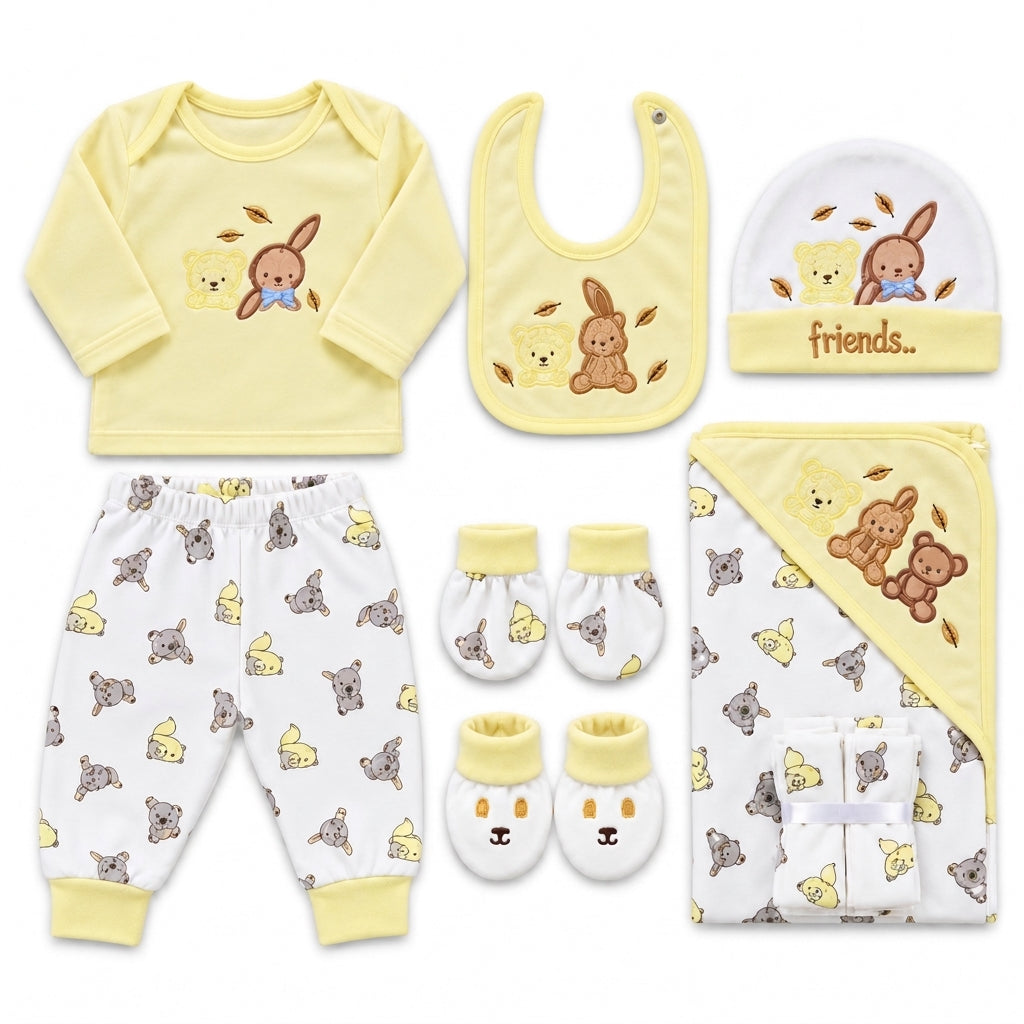
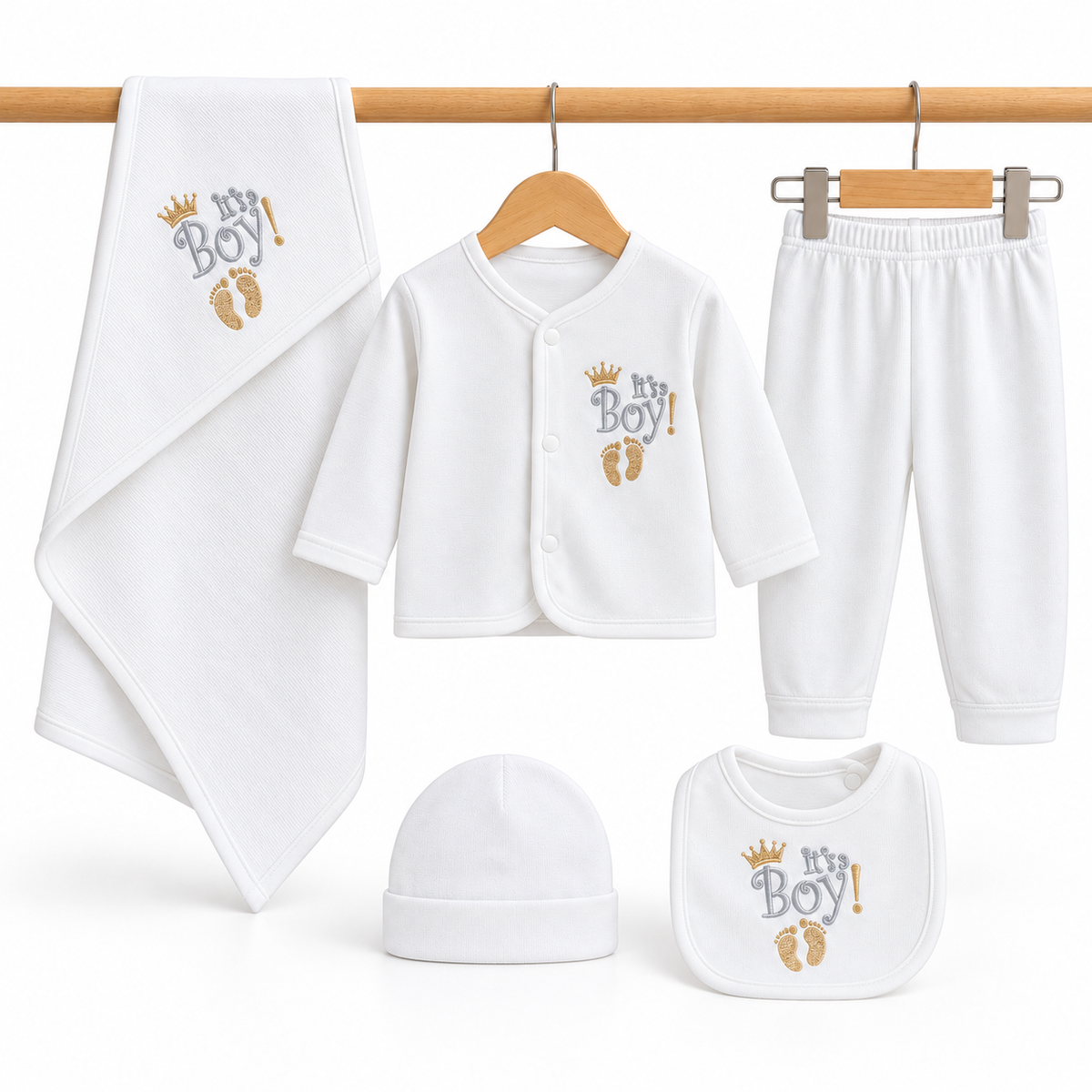
For a matching set, check the breakdown. A seven-piece starter set is not automatically seven rompers. Only add confirmed romper garments to this worksheet.
Record Three Numbers From Your Routine
You do not need a perfect record. Start with simple observations:
- Daily use: How many clean romper garments does your household typically use in a day?
- Coverage gap: How many days pass between wash batches, plus the time needed for the next batch to finish washing and drying?
- Chosen buffer: How many spare garments do you want for extra changes or delays?
These are household observations and preferences, not a scientific average for newborn clothing changes.
If your routine is still developing, start with a small shortlist and update your notes as you learn what you use. You do not need to buy a large quantity in one size immediately.
Include Both Washing and Drying
A laundry cycle is not finished when the washing machine stops. The garment also needs to complete its permitted drying process before it is ready to wear.
Follow the care label rather than changing a dryer or heat setting to meet a shopping estimate. If drying takes longer, include that delay in your coverage gap.
Consider when you can realistically do laundry. Your wardrobe plan should reflect the routine you can maintain.
Use This Simple Quantity Worksheet
Estimated rotation target = daily use × coverage gap + chosen spare buffer
This is a Babies n Baba shopping worksheet, not a universal recommendation. Enter your own numbers.
| Worksheet item | What to record |
|---|---|
| Daily clean romper use | Your observed number of garments used |
| Coverage gap in days | Wash interval plus washing and drying time |
| Spare buffer | Your chosen extra quantity |
| Existing garments | Currently usable garments, including the wash/dry batch |
| Remaining requirement | Rotation target minus existing garments |
Round a partial coverage day up to the next whole day for this estimate. If the remaining requirement is zero or negative, the worksheet does not indicate a need for extra garments.
Review the calculation after several days of use. Changes in laundry or dressing routines can change the estimate.
Two Hypothetical Examples
Example A: A household uses two romper garments per day, washes every day, and needs one additional day for washing and drying. The coverage gap is two days. With two chosen spares, the estimate is 2 × 2 + 2 = 6 garments.
Example B: Daily use is still two, but washing happens every two days and the next batch needs one further day to become ready. The coverage gap is three days. With two chosen spares, the estimate is 2 × 3 + 2 = 8 garments.
These are hypothetical planning examples. They are not recommended counts for every newborn or measured averages. Your own inputs may produce a different result.
Where a Three-Romper Pack Fits
The Penguin Winter Footed Rompers 3-Pack at Babies n Baba confirms three rompers. The Bear Grey & White 3-Pack also confirms three.
If your remaining requirement is three romper garments, compare that pack quantity with your estimate. Deduct existing usable garments before adding new purchases.
Both ranges list 0–3M, 3–6M, 6–9M and 9–12M variants. Check the selected size against the relevant chart. A correct quantity estimate does not establish a correct fit.
Browse the Winter Rompers collection to compare more designs and confirmed pack details.
Common Questions From Parents
Is one 3-pack enough for a newborn?
It depends on existing garments, daily use and the laundry gap. Compare three additional rompers with your remaining requirement.
Does every outfit change need a romper?
Use the suitable garments in your wardrobe and follow their instructions. Keep the worksheet count consistent with the replacement garments you actually use.
What if drying takes longer?
Add the extra time to the coverage gap, then recalculate. Follow the care label's drying method.
Should I also buy several outfits in the next size?
Plan around current fit and your household's needs. No fixed growth or seasonal duration can be guaranteed.
Should I exclude garments currently in the wash?
If they still fit and will return to the rotation, include them in your existing wardrobe total. The coverage gap accounts for their time in laundry.