Safe sleep
A firm, flat approved sleep space, fitted sheet and suitable sleep clothing. Keep pillows, loose blankets, bumpers and toys out.

A calm, practical list for the first weeks at home—what to buy now, what can wait, and how to avoid a nursery full of things you may never use.
Start here
A firm, flat approved sleep space, fitted sheet and suitable sleep clothing. Keep pillows, loose blankets, bumpers and toys out.
Choose supplies for the way you plan to feed, then keep the first purchase small until you know what works for your baby.
Diapers, wipes or cotton, a washable changing surface, barrier cream if advised, and spare clothes within easy reach.
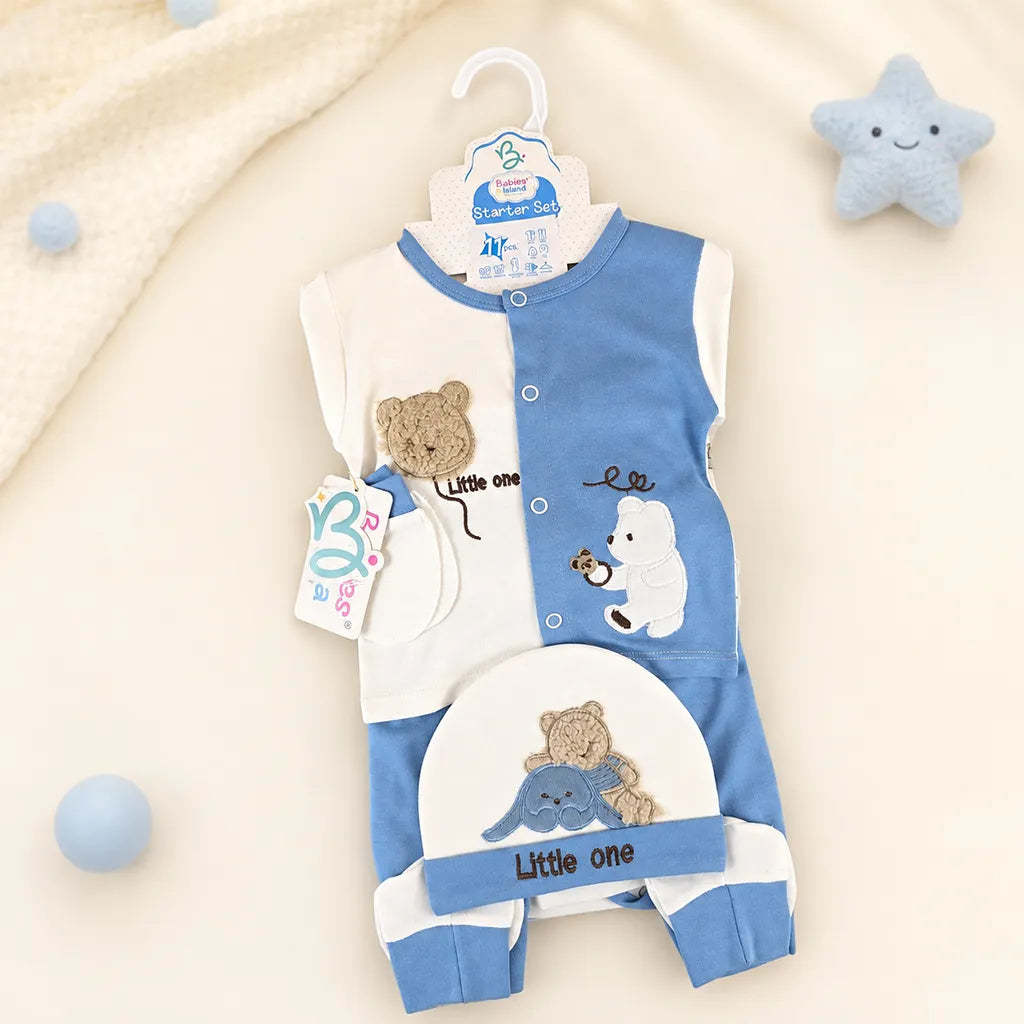
Soft bodysuits and sleepsuits with easy fastenings. Comfort and quick changes matter more than elaborate outfits.
Soft towels, washcloths, a digital thermometer, nail file and a small first-aid area for items your clinician recommends.
A weather-appropriate outfit, diapers and a correctly fitted infant car seat where car travel is involved.
A sensible starting point
Adjust for your routine. Add a few pieces if laundry is less frequent. Buy fewer newborn-size clothes if your baby is expected to be larger, then top up after checking the fit.
Burp cloths, nursing support if comfortable, breast pads and access to qualified feeding help may be useful. A large bottle set is not essential on day one.
Start with a few easy-to-clean bottles, slow-flow teats, a dedicated brush and sterilising equipment. Do not assume one teat shape will suit every baby.
Keep the bottle setup simple and review how your baby latches, swallows and settles. A clinician or feeding specialist can help if feeds are difficult.
Build the basics
Pick the essentials you will use every day, then add individual pieces once you know your baby's size and routine.
American Academy of Pediatrics safe-sleep guidance. Product quantities on this page are practical shopping estimates, not medical requirements.
Your cart is currently empty.
Not sure where to start?
Try these collections: